The Evolving Landscape of Live Feature and Secure Payment Integration in Betting Apps
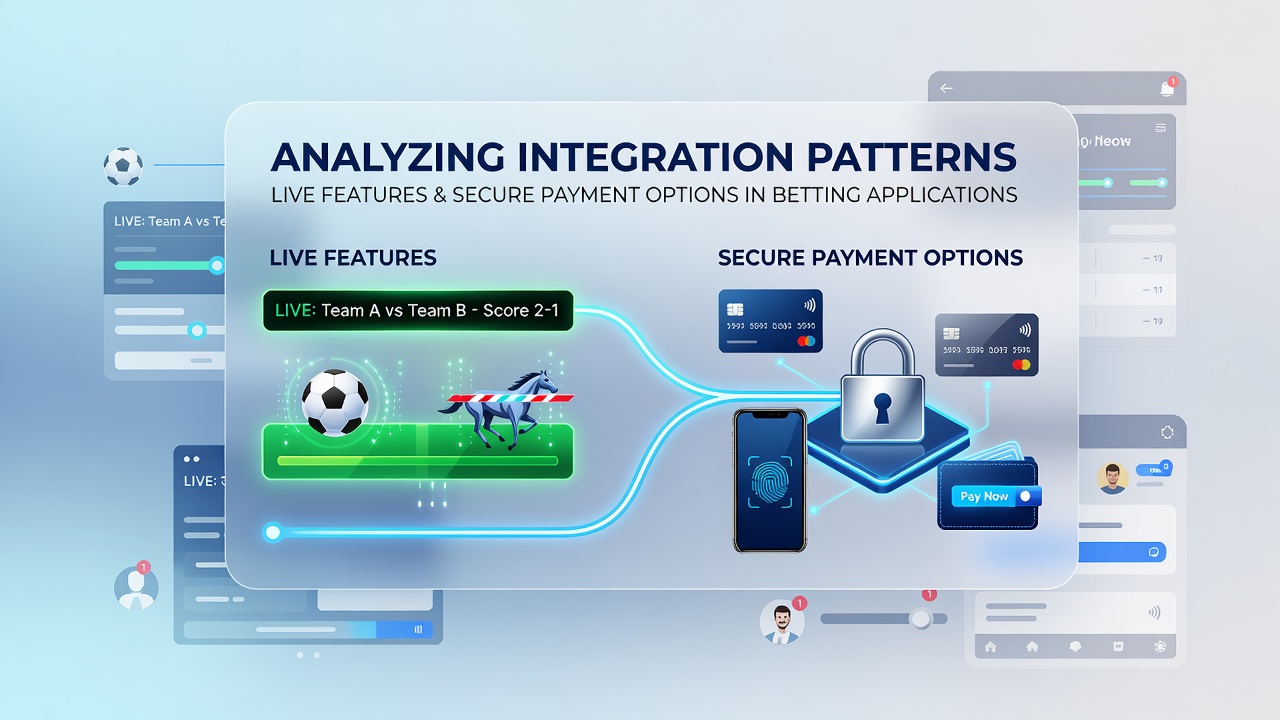
Integration patterns between live features and secure payment options have become central to how betting applications operate in 2026; developers combine real-time data streams with encrypted transaction layers to support instant deposits during ongoing events. Live betting interfaces pull continuous odds updates while payment modules handle authorization checks in milliseconds, and this dual flow requires synchronized APIs that maintain both speed and compliance across different regulatory environments.
Core Components Driving These Integrations
Application architectures typically separate the live feature engine from the payment gateway yet connect them through middleware that verifies user balances before each wager placement. Researchers at institutions studying digital wagering have documented how tokenization occurs at the point of bet confirmation, ensuring card details never reach the live odds server while still allowing funds to move without delay. Observers note that this separation reduces exposure during high-volume periods such as major tournaments, where transaction spikes coincide with rapid odds changes.
Secure payment options in these systems often rely on multi-factor authentication layered over biometric checks, and these steps run parallel to the live feature's event tracking. Data from industry reports indicates that applications using this parallel processing achieve higher completion rates for in-play bets because users avoid switching between screens. Those who've examined the codebases find that webhook callbacks from payment processors trigger immediate updates to the live bet slip, keeping the interface synchronized without manual refreshes.
Regional Variations in Implementation
North American platforms tend to emphasize state-specific compliance modules that interface directly with banking partners, whereas European applications integrate broader open-banking standards to support faster cross-border transactions. According to analyses from the European Gaming and Betting Association, these regional differences shape how live features scale during peak hours, with payment security protocols adapting to local data residency rules. Applications serving multiple jurisdictions therefore maintain configurable layers that activate different encryption standards based on user location detected at login.
Canadian operators have incorporated similar patterns following updates to provincial frameworks in early 2026, and their systems demonstrate how geofencing combines with payment verification to restrict live betting access until funds clear. This approach prevents settlement issues that could arise when users place rapid successive wagers during live matches.
Security Protocols and Real-Time Synchronization
Encryption standards such as TLS 1.3 protect data in transit between the live odds feed and the payment authorization service, while hardware security modules store keys separately from application servers. Studies on platform performance show that these measures add negligible latency when optimized correctly, allowing live features to update odds every few seconds without interrupting payment flows. Developers achieve this by queuing non-critical verification tasks until after the initial bet acceptance, then confirming funds in the background.
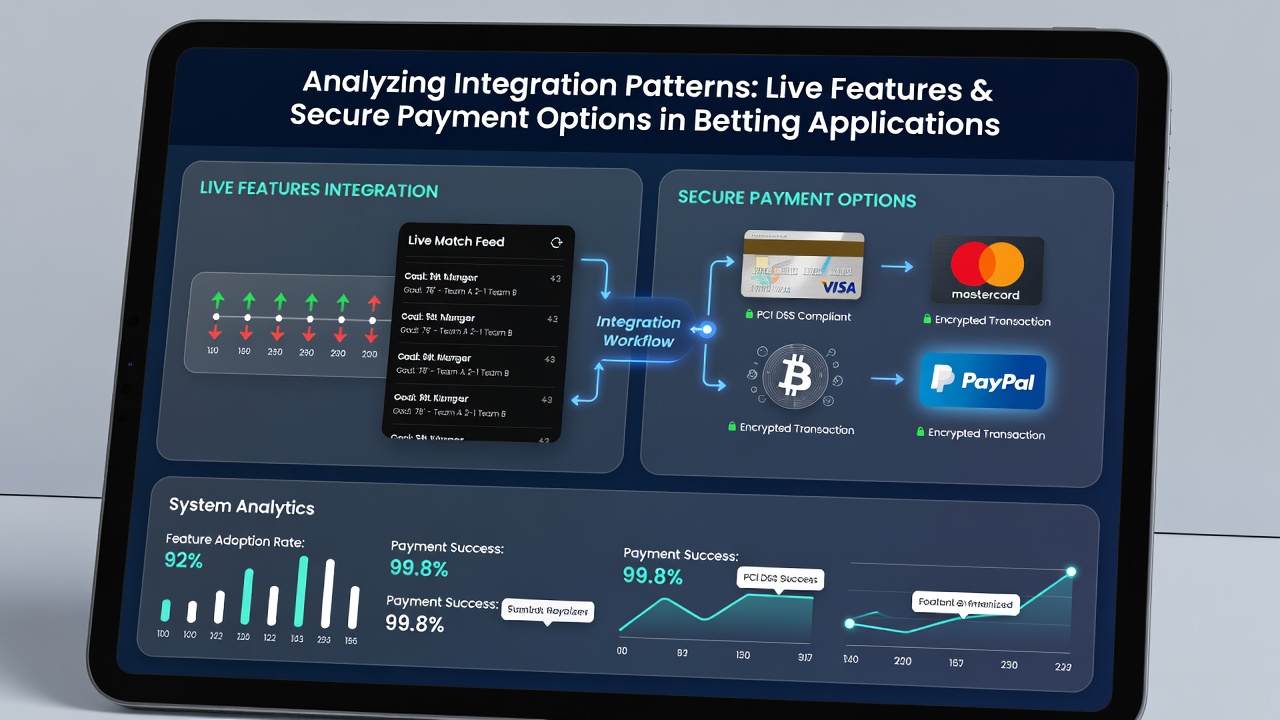
Token-based systems further streamline the process by replacing sensitive payment information with unique identifiers that the live feature engine can reference without storing actual details. Figures from platform audits reveal that such tokens expire after short windows, adding another safeguard during extended live sessions where multiple bets occur. Those examining these patterns note that fallback mechanisms activate automatically if a payment provider experiences brief outages, rerouting to secondary gateways while the live interface continues displaying updated odds.
Challenges in Scaling These Patterns
High concurrency during live events tests both the live feature infrastructure and the payment processing capacity simultaneously, leading some providers to adopt distributed ledger elements for transaction logging. Reports from regulatory bodies in New Jersey highlight how audit trails must capture every integration point to meet reporting requirements, and this documentation influences how developers design their API contracts. Applications that fail to maintain consistent logging across live and payment modules risk compliance gaps even when individual components function correctly.
Network variability on mobile devices adds another layer, because dropped connections during a live bet can leave payment authorizations in ambiguous states. Solutions include client-side retries paired with server-side idempotency keys that prevent duplicate charges while the live feature resumes its data stream upon reconnection.
Conclusion
Patterns of integration between live features and secure payment options continue to evolve as betting applications incorporate new regulatory demands and technological capabilities through 2026. The emphasis remains on maintaining separation of concerns while ensuring seamless data exchange that supports both real-time engagement and transaction integrity. Data from multiple jurisdictions demonstrates that well-structured middleware and tokenization protocols form the foundation for these combined systems, allowing platforms to handle increasing volumes without compromising security standards.