Regulatory Mechanisms Influencing Payout Timelines and Assistance Quality in Digital Gambling Applications
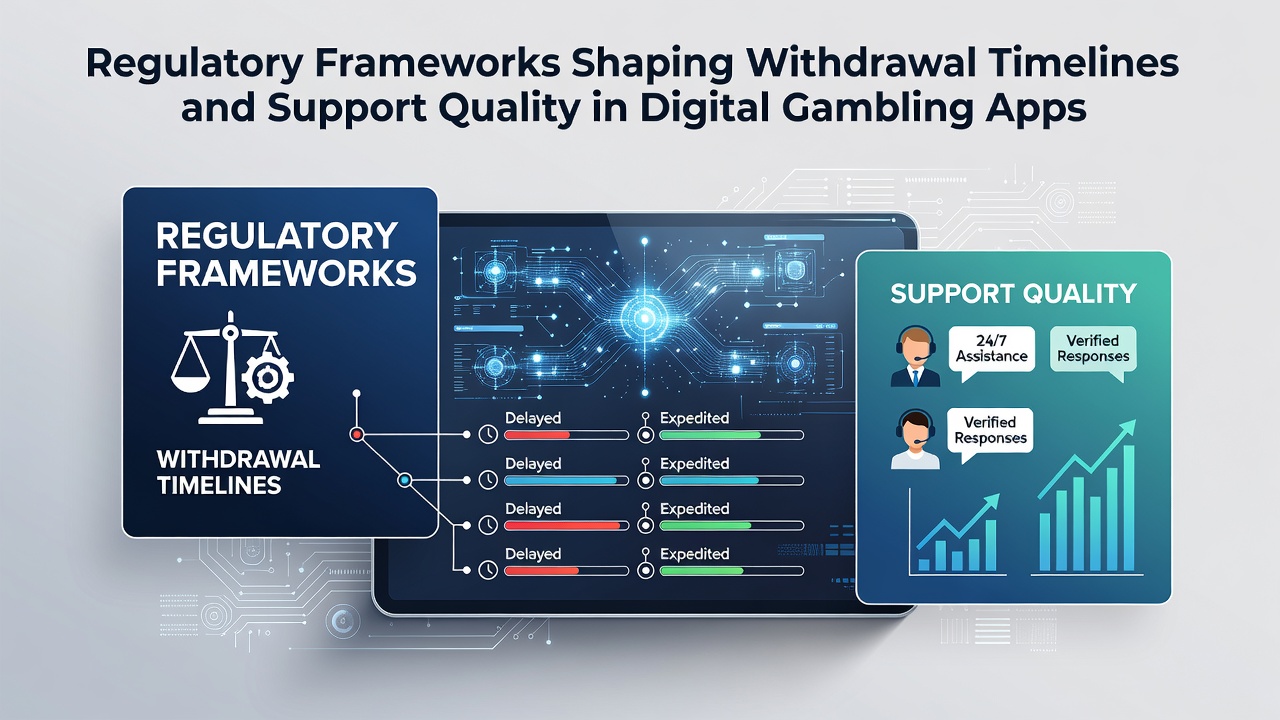
Regulatory frameworks across multiple jurisdictions establish clear parameters for withdrawal processing periods and customer assistance benchmarks in digital gambling platforms, creating measurable differences in operational timelines that operators must meet to maintain licensing. These rules typically specify maximum durations for fund releases, verification procedures, and response windows for support inquiries, with data from licensing bodies showing consistent enforcement patterns throughout 2025 and into June 2026.
Payment processing requirements often tie directly to license conditions, where operators face mandatory reporting on average completion rates for withdrawals, and non-compliance triggers graduated penalties ranging from warnings to temporary suspensions. Research from gaming control authorities indicates that jurisdictions with detailed payout mandates report higher rates of completed transactions within specified windows compared to regions relying on general consumer protection statutes.
Core Elements of Withdrawal Regulations
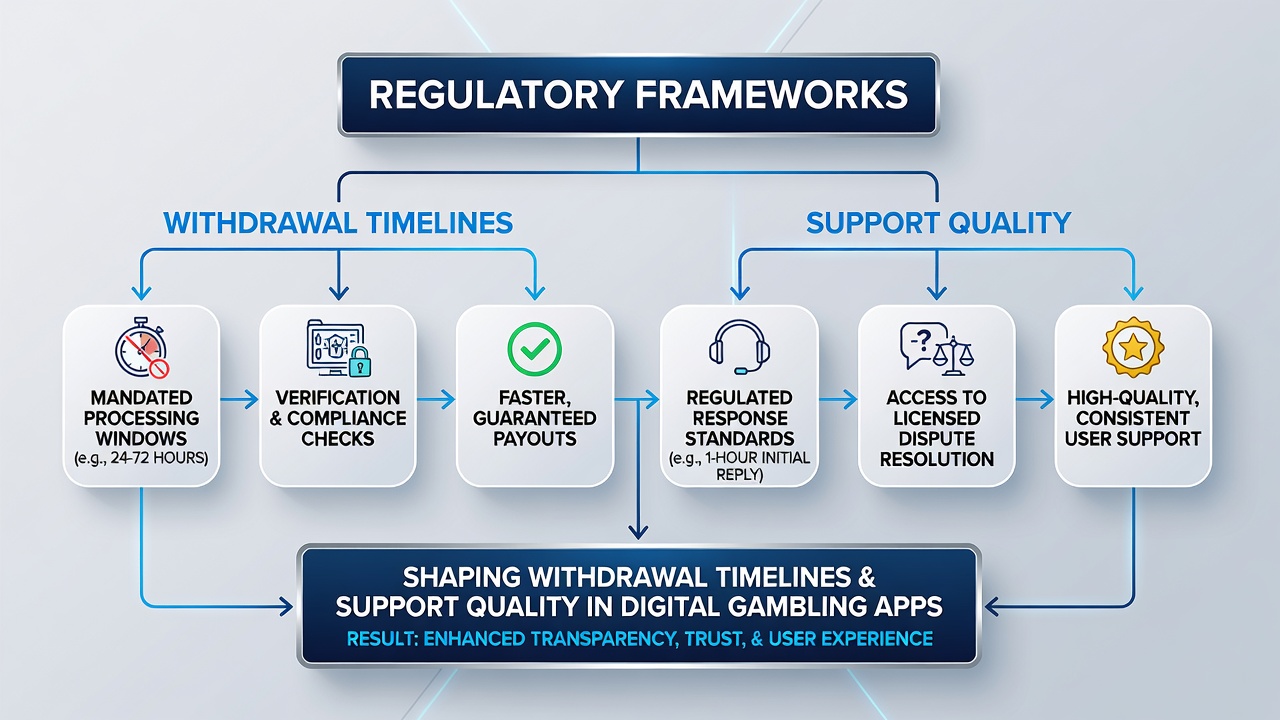
Licensing agreements mandate specific verification steps before funds release, including identity confirmation, source of funds checks, and anti-money laundering reviews, each adding defined time increments to overall processing cycles. Observers note that these layered requirements produce standardized outcomes where most verified requests clear within 24 to 72 hours in tightly regulated markets, whereas unverified accounts encounter extended holds that align with statutory maximums.
Automated monitoring systems required under many frameworks track transaction volumes and flag anomalies in real time, allowing regulators to audit compliance data quarterly or upon complaint filings. Figures from North American and European oversight bodies reveal that platforms incorporating these tools achieve faster average resolution times because they reduce manual review backlogs during peak activity periods.
Support Quality Standards Across Jurisdictions
Customer service obligations embedded in licensing documents require operators to maintain staffed response channels with documented maximum wait times, often set at under four hours for live chat during operational periods and 24 hours for email inquiries. These standards emerged from collaborative efforts among regulators who examined complaint resolution statistics, leading to uniform benchmarks that apply regardless of platform size or market focus.
Training protocols for support personnel receive explicit attention in several regulatory codes, requiring documented modules on responsible gaming interventions, dispute escalation procedures, and accurate explanation of withdrawal policies. Data collected through routine audits shows measurable improvements in first-contact resolution rates when operators implement these training sequences consistently across teams.
Regional Variations in Enforcement Approaches
North American state regulators, including those in Nevada and Ontario, emphasize real-time reporting portals that feed transaction data directly to oversight dashboards, creating transparency that enables rapid identification of delays exceeding permitted thresholds. Australian authorities apply a different model focused on periodic performance disclosures published in annual market reviews, which highlight aggregate withdrawal statistics without naming individual operators.
European frameworks outside the United Kingdom incorporate harmonized consumer rights directives that cap verification periods and require compensation mechanisms when timelines slip, while Canadian provincial bodies prioritize integration with centralized self-exclusion databases that influence account status checks during payout reviews. These divergent methods produce comparable results in overall adherence rates, according to comparative studies released in early 2026.
Enforcement actions documented through June 2026 demonstrate that regulators increasingly apply financial sanctions calibrated to the number of affected accounts rather than flat penalties, encouraging operators to invest in scalable verification technology. Industry reports from gaming associations indicate that such targeted measures correlate with reduced recurrence of timeline breaches across subsequent reporting periods.
Technology Integration and Compliance Tracking
Digital platforms must deploy secure application programming interfaces that connect internal processing systems with regulatory reporting modules, ensuring automated submission of daily transaction summaries. Those who've studied system implementations note that platforms adopting these interfaces experience fewer manual reconciliation errors, which in turn supports faster internal approval stages before external release.
Blockchain-based audit trails appear in select licensing conditions as optional enhancements that provide immutable records of each withdrawal stage, reducing dispute resolution times when questions arise about processing sequences. Early adoption data from participating operators shows these tools shorten average investigation periods from multiple days to under 48 hours in documented cases.
Conclusion
Regulatory structures continue to refine withdrawal timelines and support benchmarks through iterative updates that incorporate performance data gathered from licensed operators worldwide. As frameworks evolve, platforms adapt by upgrading verification workflows and support infrastructure to align with tightening expectations, resulting in more predictable outcomes for account holders across regulated markets.