24 Jul 2026
Regulatory Mandates Influencing Design Elements in Licensed Mobile Betting Applications
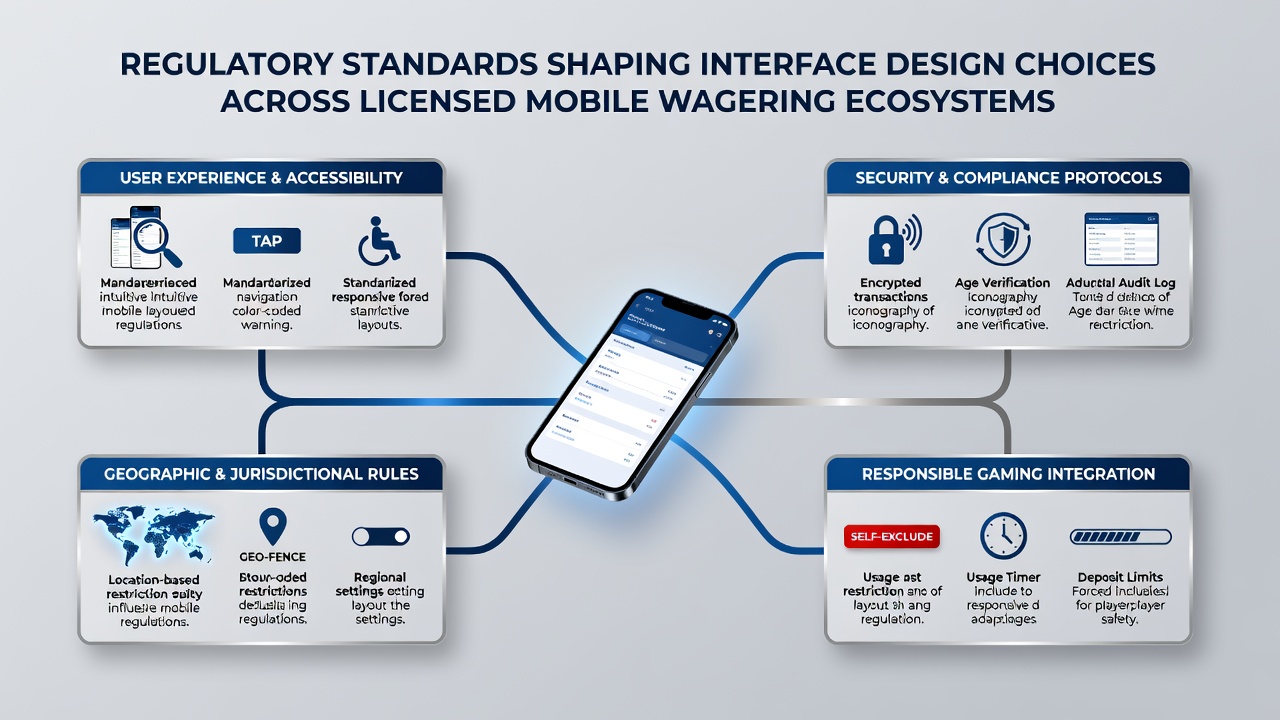
Regulatory frameworks across multiple jurisdictions continue to dictate specific elements in mobile wagering interfaces, forcing operators to embed compliance features directly into user flows while maintaining operational efficiency. Data from 2026 shows licensed platforms adapting layouts to accommodate mandatory age verification prompts, spending limit selectors, and real-time transaction logs required by state and national oversight bodies. These adjustments appear most pronounced in markets where mobile handles now exceed 70 percent of total wagering volume, according to industry reports.
Core Compliance Features Embedded in App Navigation
Operators integrate responsible gambling tools as primary navigation elements rather than secondary menu options because regulations in regions such as New Jersey and Ontario demand immediate access to deposit caps and session timers. Interface designers position these controls within the first two taps from the home screen, a layout choice driven by enforcement audits that penalize buried functionality. Studies from academic researchers at the University of Nevada indicate that prominent placement correlates with higher user engagement rates for limit-setting features.
Payment processing screens also reflect stricter rules around transaction transparency. Licensed ecosystems require visible breakdowns of fees, withdrawal timelines, and source verification steps before any funds move, which expands the number of confirmation layers users encounter during deposits and cashouts. This structure stems from directives issued by bodies like the Malta Gaming Authority, which mandate clear disclosure of all financial movements to prevent disputes and support audit trails.
Regional Variations Shaping Visual and Functional Layouts
Different licensing regimes produce distinct interface patterns. In Australian markets, operators must display mandatory warning banners about gambling risks on every game screen, leading to persistent header elements that reduce available screen real estate for betting odds. Canadian provincial standards emphasize geolocation checks integrated into the launch sequence, resulting in splash screens that verify user location before any wagering activity begins. Observers note these requirements create longer onboarding sequences compared to less restrictive environments.
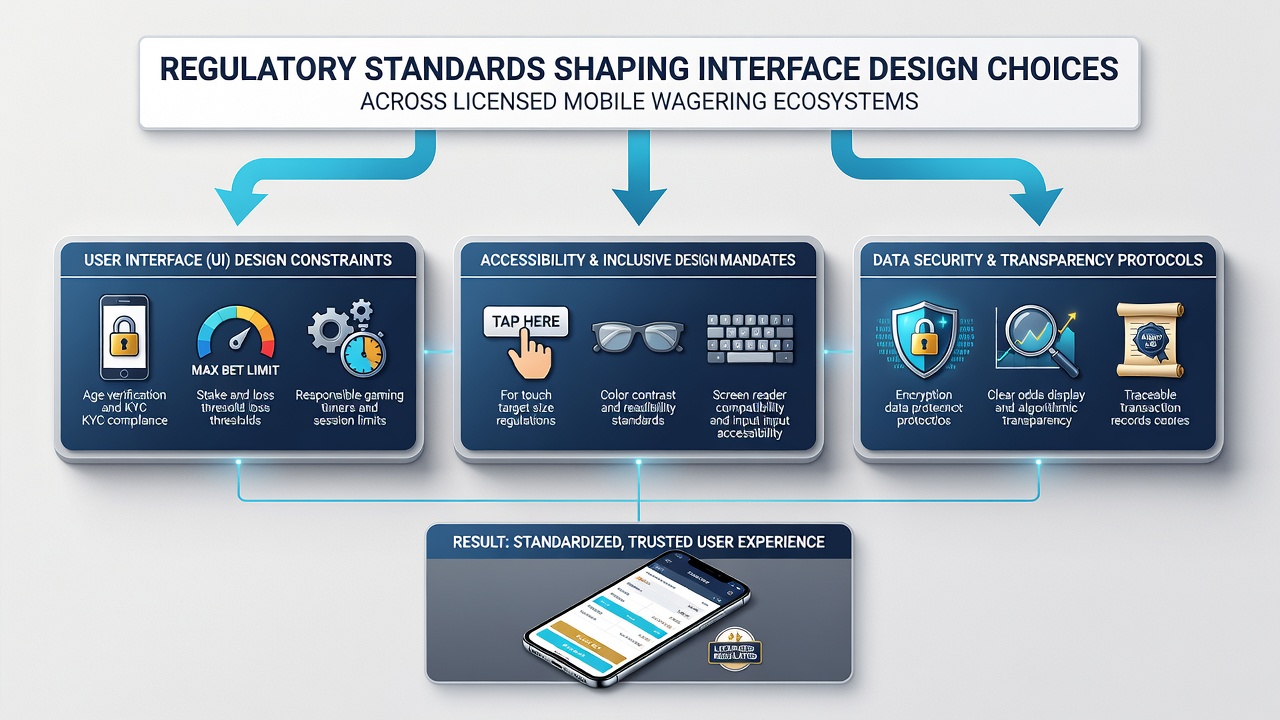
European jurisdictions outside the UK apply additional constraints on bonus presentation and advertising claims, pushing designers to separate promotional content from core betting areas. This separation appears in tabbed interfaces where bonus terms occupy dedicated sections rather than inline pop-ups. July 2026 updates from several national regulators further tightened rules around algorithmic recommendation engines, requiring explicit user consent toggles before personalized betting suggestions load.
Impact on User Flow and Technical Implementation
Technical teams at licensed operators report reallocating development resources toward modular interface components that allow rapid updates when regulations change. One study revealed that platforms using reusable UI modules reduced compliance-related redesign cycles by 40 percent compared to those relying on custom-coded screens. These modules handle elements such as self-exclusion buttons and reality-check pop-ups, which must activate at fixed intervals in many jurisdictions.
Security protocols tied to licensing also influence visual design choices. End-to-end encryption indicators and multi-factor authentication prompts now occupy consistent positions across apps, satisfying requirements from entities like the New Jersey Division of Gaming Enforcement while preserving brand consistency. Data indicates that standardized security cues reduce user drop-off during account creation by providing immediate reassurance about data protection measures.
Future Adjustments Driven by Ongoing Oversight
Emerging rules around artificial intelligence in odds generation and personalized marketing will likely introduce new interface layers for consent management and explanation of algorithmic decisions. Regulators in multiple regions have signaled upcoming requirements for transparent AI disclosures within app settings, which designers anticipate will expand existing preference menus. Industry associations such as the American Gaming Association track these developments and publish guidance that helps operators align interfaces ahead of enforcement dates.
Those who monitor licensing trends observe that successful platforms treat regulatory standards as foundational design constraints rather than post-development additions, resulting in more stable user experiences across borders.
Conclusion
Regulatory standards continue to determine interface priorities in licensed mobile wagering ecosystems through mandated features, regional layout variations, and technical implementation requirements. As oversight evolves, operators maintain adaptable designs that satisfy compliance demands while supporting core wagering functions. Figures from 2026 demonstrate sustained investment in these adaptations across established markets.