Payment Gateway Transformations Reshaping Transaction Flows in Licensed Wagering Markets
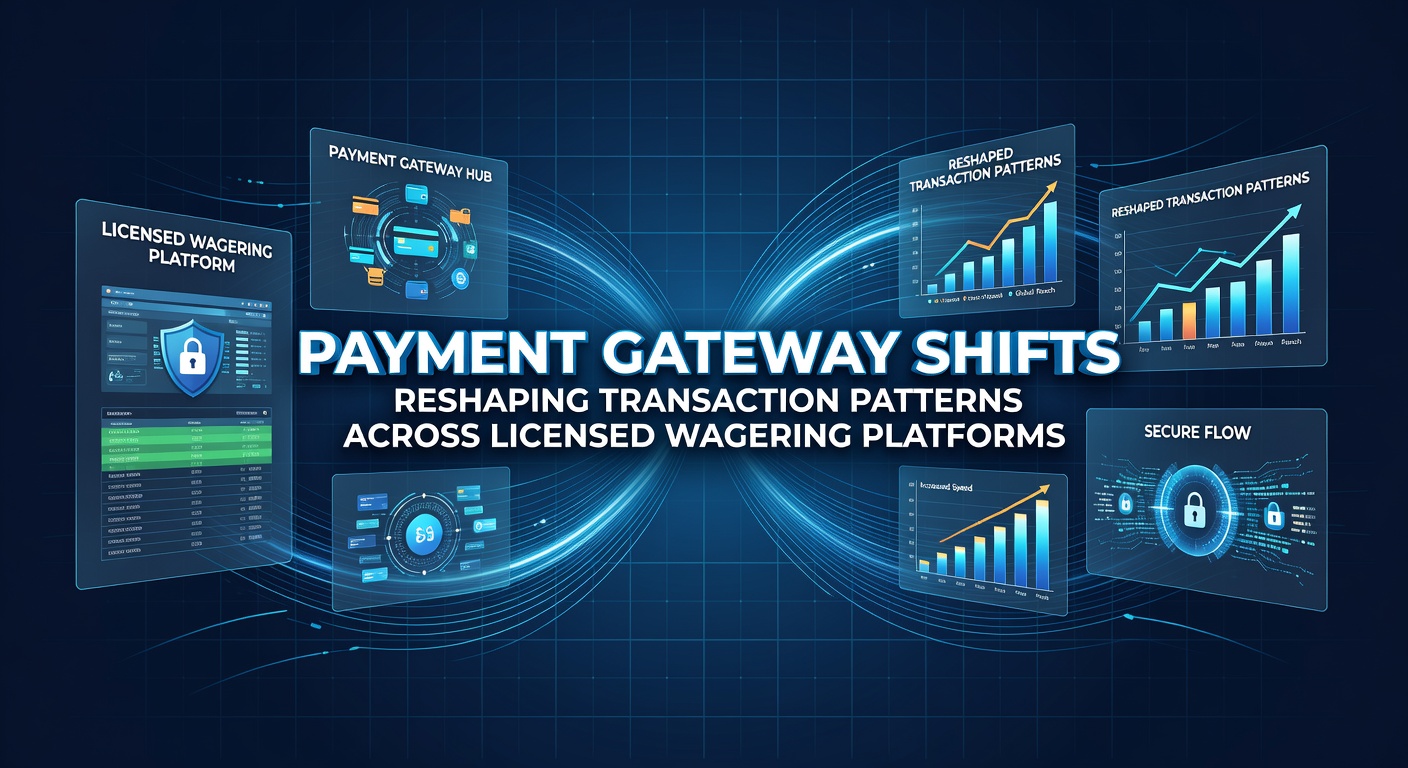
Payment gateways have undergone substantial changes in recent years as licensed wagering platforms adapt to evolving consumer preferences and regulatory requirements across multiple jurisdictions. These systems now handle everything from initial deposits to final payouts through increasingly sophisticated networks that prioritize speed and security while complying with strict licensing standards. Data from industry reports indicate that transaction volumes processed through alternative methods such as digital wallets and instant bank transfers have grown steadily since 2024 with operators noting measurable shifts away from traditional card-based processing in several major markets.
Core Drivers Behind Gateway Modernization
Regulatory bodies in regions including the United States, Canada, and Australia have updated compliance frameworks that encourage platforms to integrate more diverse payment rails. This push stems from efforts to reduce fraud risks and improve traceability of funds moving through licensed operators. Researchers at various academic institutions have documented how these policy adjustments coincide with technological advancements in real-time settlement capabilities which allow transactions to clear in seconds rather than days. Observers note that platforms operating under these updated rules often experience higher retention rates among users who value seamless movement of funds between their accounts and external banking institutions.
One study conducted by a European research consortium highlighted the role of open banking protocols in accelerating these changes. Licensed operators in Australia began rolling out similar integrations earlier in 2026 with transaction data showing a 28 percent increase in direct bank transfers compared to the same period in the prior year. These figures reveal that users increasingly select methods offering lower fees and faster confirmation times which in turn influences how platforms structure their overall payment ecosystems.
Impact on User Behavior and Platform Operations
Transaction patterns across licensed wagering environments reflect broader adoption of methods that support micro-transactions and recurring deposits. Platforms report that users now initiate smaller, more frequent deposits rather than larger lump sums which alters cash flow dynamics for operators. This trend appears particularly pronounced in markets where mobile applications dominate user engagement since these interfaces facilitate quicker payment selections during live events.
Industry organizations tracking these developments have recorded corresponding rises in payout requests processed through the same modern gateways. According to figures released by the New Jersey Division of Gaming Enforcement, average withdrawal times on compliant platforms dropped below four hours for a majority of requests processed in the first quarter of 2026. Such improvements stem directly from gateway providers implementing automated verification layers that reduce manual reviews without compromising anti-money laundering protocols.
Regional Variations in Adoption Rates
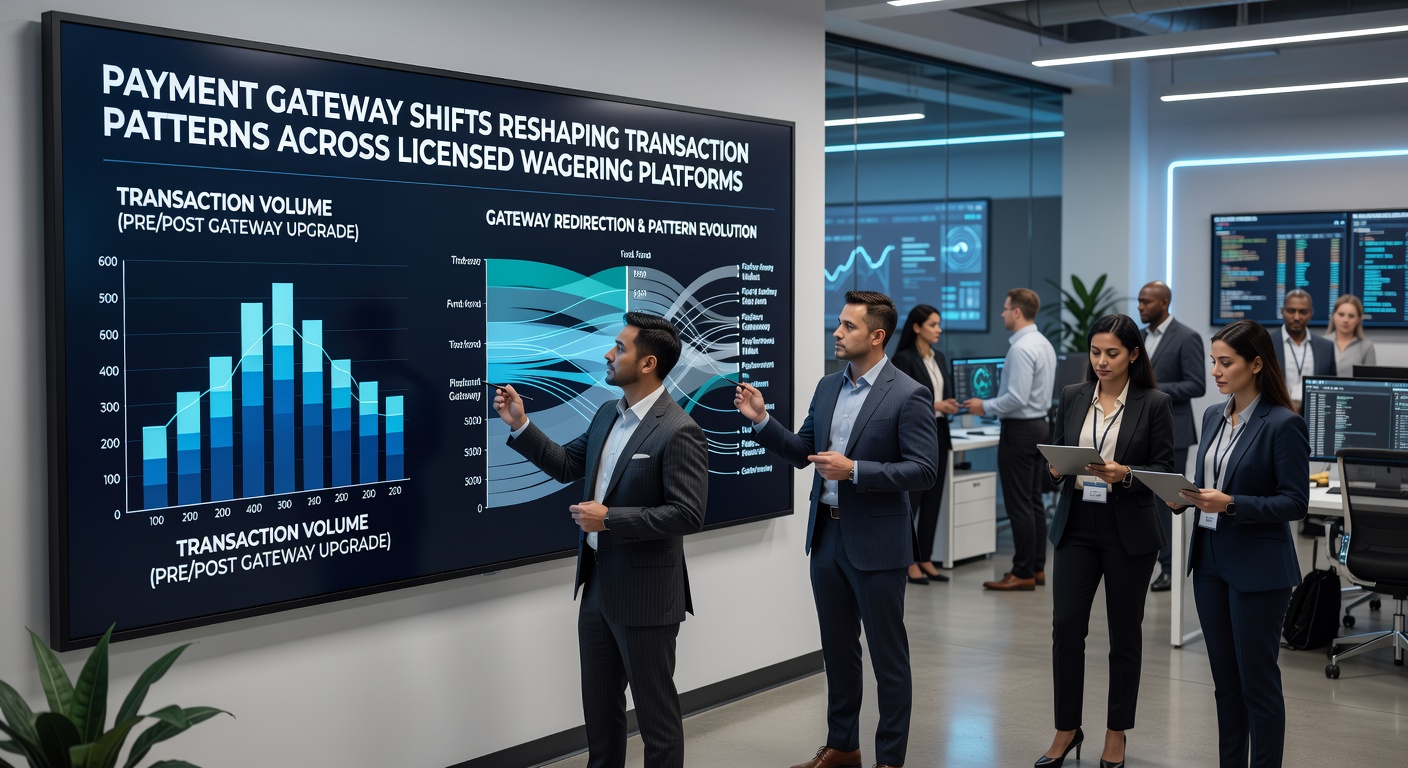
Adoption rates vary significantly depending on local regulations and infrastructure readiness. Platforms licensed in Ontario have integrated a wider range of instant payment options compared to some U.S. states where legacy processing systems still handle substantial volumes. Australian operators meanwhile have emphasized partnerships with domestic banks to streamline cross-border transactions for users accessing international wagering sites through approved channels.
What's interesting is how these regional differences create distinct transaction signatures. Data indicates that North American platforms see heavier use of prepaid digital vouchers while European and Asian markets lean toward cryptocurrency-adjacent stablecoin options in jurisdictions where such instruments receive regulatory approval. Those who've studied these patterns note that platforms must maintain flexible gateway architectures capable of routing transactions through multiple providers to meet user expectations in each market.
Security Enhancements Accompanying the Shifts
Modern gateways incorporate advanced encryption standards and tokenization techniques that protect sensitive financial data during transfers. Licensed operators have invested in these upgrades to maintain their regulatory standing and avoid penalties associated with data breaches. Trade associations representing gaming technology providers have published guidelines that encourage standardized security audits across all integrated payment solutions.
Evidence suggests these measures also reduce chargeback rates which previously created significant operational costs for platforms. A report from an Australian gaming research center found that operators utilizing next-generation gateways experienced a 15 percent decline in disputed transactions during the opening months of 2026. This improvement supports more predictable financial planning for licensed entities operating at scale.
Future Trajectory Through Mid-2026 and Beyond
As May 2026 approaches, additional gateway providers are expected to launch specialized solutions tailored specifically to wagering environments. These offerings will likely emphasize compatibility with emerging regulatory reporting requirements while delivering enhanced analytics to operators seeking deeper insights into transaction behaviors. Platforms that successfully integrate these tools stand to benefit from improved operational efficiency and stronger compliance postures.
Conclusion
The ongoing evolution of payment gateways continues to influence how transactions occur across licensed wagering platforms worldwide. Shifts toward faster, more secure methods reflect coordinated efforts among regulators, technology providers, and operators to meet changing user demands while upholding strict oversight standards. Data from multiple sources demonstrate measurable changes in deposit and withdrawal patterns that show no signs of reversing as infrastructure matures further in the months ahead.