Licensing Agreements: The Backbone of Security Protocols in Global Digital Wagering

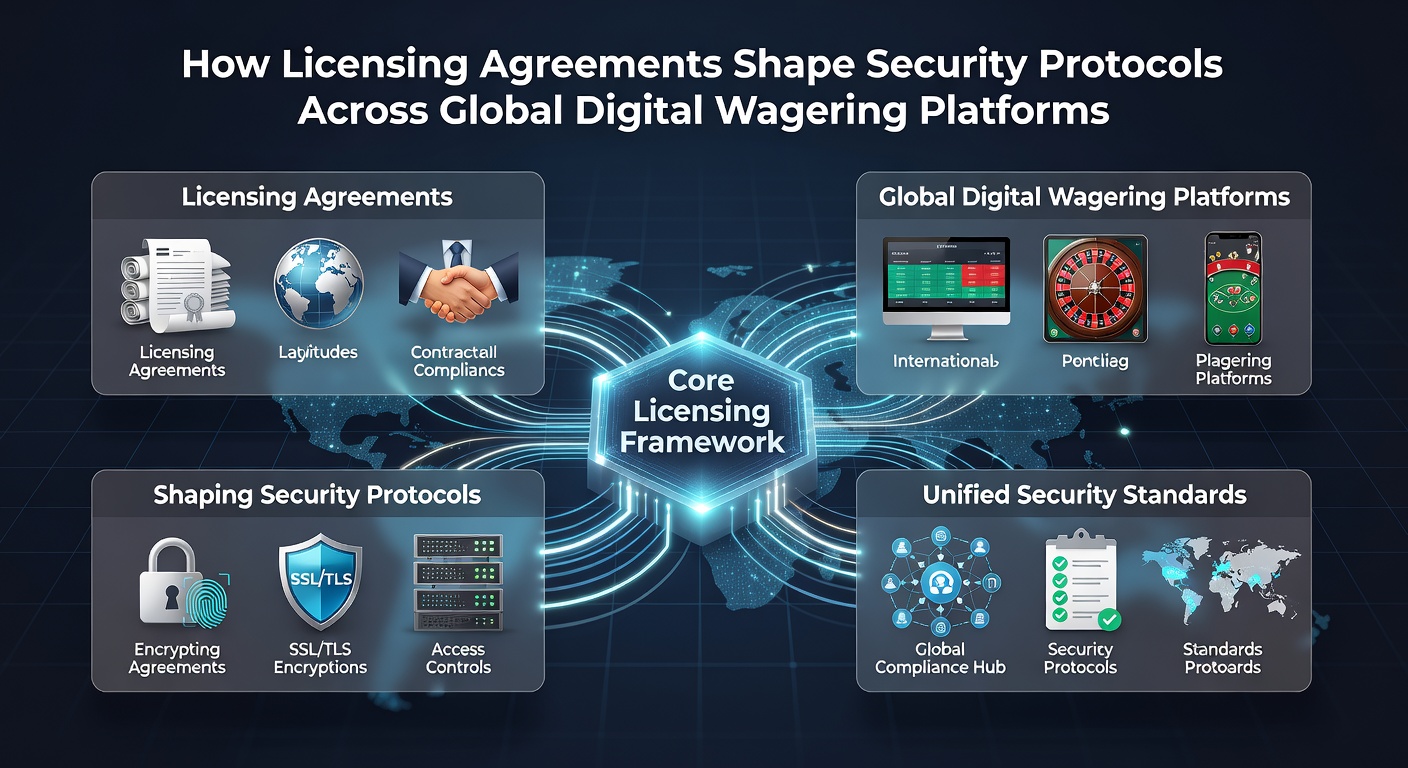
Regulatory bodies worldwide tie operating licenses directly to technical security requirements, and platforms must meet these standards before they can accept users or process transactions in licensed markets. Licensing agreements outline encryption levels, audit frequencies, and data storage rules that operators implement to maintain compliance across jurisdictions.
Core Security Mandates Embedded in Licensing Terms
Agreements typically require end-to-end encryption for user data and financial transfers, along with independent certification of random number generators used in games. Operators integrate multi-factor authentication systems and maintain detailed access logs that regulators review during periodic inspections, because these controls reduce unauthorized entry risks while satisfying license renewal conditions.
Data protection clauses often reference international standards such as ISO 27001, and platforms must demonstrate annual audits conducted by approved third-party firms. In practice, this means continuous monitoring of server activity, rapid incident reporting timelines, and documented breach response procedures that align with the specific license jurisdiction.
Regional Variations Shape Implementation Strategies
North American regulators emphasize player fund segregation and real-time transaction monitoring, whereas European frameworks focus on cross-border data transfer safeguards and anti-money laundering integration. Australian licensing conditions add requirements for geolocation verification and responsible gambling tools that feed into the same security infrastructure.
Operators running multi-jurisdictional platforms therefore deploy modular security architectures that can be adjusted per market without rebuilding core systems. This approach allows a single technology stack to satisfy divergent license conditions while preserving operational efficiency.
Certification Processes and Ongoing Compliance
Before launch, platforms undergo extensive penetration testing and vulnerability assessments mandated by the license issuer. Once operational, they submit quarterly or semi-annual reports that detail system changes, security incidents, and remediation steps taken. Regulators retain the right to conduct unannounced audits, which keeps security teams focused on maintaining documented standards at all times.
Research from the Alcohol and Gaming Commission of Ontario indicates that licensed operators in that province recorded fewer than 0.02 percent of accounts affected by unauthorized access attempts during the 2025 reporting period, a figure attributed to mandatory security controls tied to license conditions.
By May 2026, several jurisdictions updated their licensing templates to include explicit requirements for quantum-resistant encryption planning and supply-chain risk assessments for third-party software vendors. These additions reflect growing concerns about emerging threats while maintaining the established pattern of embedding technical specifications within the license text itself.
Impact on Platform Architecture and Operations
Teams building global wagering systems design around the strictest license requirements they intend to pursue, because upgrading later proves more costly than incorporating controls from the start. Cloud providers and payment processors selected for these environments must also hold relevant certifications that align with the operator's license obligations.
Take one European operator expanding into North American markets in early 2026; that company reconfigured its entire logging infrastructure to meet the more granular record-keeping rules found in New Jersey regulations while preserving its existing European data residency setup. The adjustments were completed within the timeline set by the new licensing application process.
According to figures published by the New Jersey Division of Gaming Enforcement, platforms holding multiple licenses demonstrated consistent improvement in security metric reporting throughout 2025, with average response times to regulator queries dropping by nearly 30 percent compared with the prior year.
Conclusion
Licensing agreements function as the primary mechanism through which security protocols reach standardization across borders in the digital wagering sector. Because renewal depends on demonstrated compliance, operators maintain security investments that exceed minimum technical thresholds in many cases. This structure creates a feedback loop where regulatory expectations and platform capabilities advance together over successive licensing cycles.