Interconnections Between Authentication Standards and Promotional Access Trends in Unified Betting Ecosystems
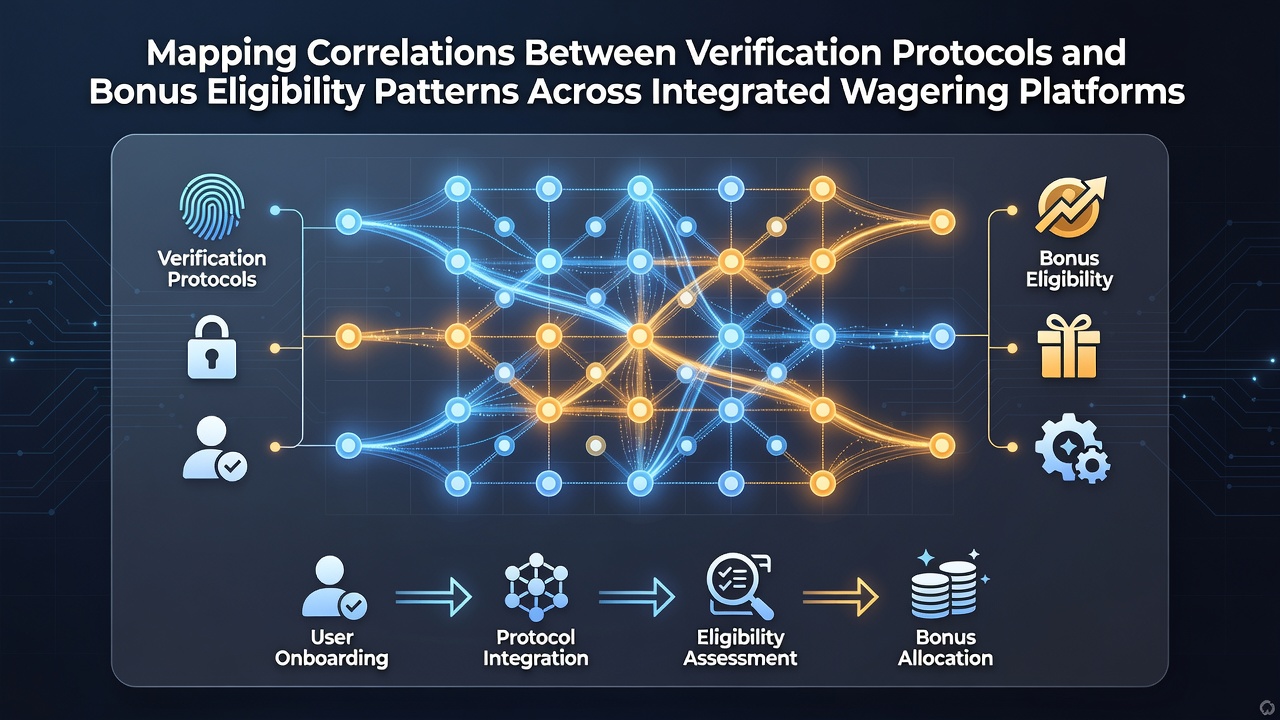
Integrated wagering platforms combine sportsbooks, casinos, and prediction tools into single accounts, and verification protocols serve as the gatekeepers that determine which users gain access to bonuses such as deposit matches, free spins, and cashback offers. Data collected across these systems reveals consistent patterns where the depth of identity checks, document uploads, and ongoing monitoring directly shapes eligibility windows, approval speeds, and disqualification rates. Observers note that platforms operating in multiple jurisdictions apply tiered verification models, starting with basic email confirmation and progressing to government ID scans or biometric matches, each layer filtering the pool of users who can claim promotional rewards.
Core Components of Verification Protocols
Verification systems typically include initial registration checks, periodic re-verification triggers, and risk-based escalations triggered by deposit volume or withdrawal requests. Researchers tracking platform operations find that basic protocols relying on email and phone validation allow quicker bonus activation yet produce higher rates of account flags later, whereas multi-document submissions including proof of address and source of funds extend initial setup times but stabilize eligibility once approved. Integrated environments often link these steps to centralized player databases, so a verification completed on one module automatically updates status across sports betting, casino, and live dealer sections.
Patterns emerge when comparing regions with differing regulatory timelines. In markets requiring source-of-wealth declarations after certain thresholds, bonus redemption rates drop among newly verified accounts until additional documentation clears. Figures from July 2026 show several major platforms adjusting their internal thresholds upward, aligning with new compliance reporting cycles that began that month.
Bonus Eligibility Patterns Across Platform Types
Eligibility rules for bonuses frequently reference verification status as a prerequisite, yet the correlation extends beyond simple pass-fail gates. Accounts passing enhanced checks qualify for tiered promotions unavailable to basic-verified users, including higher deposit match percentages and longer validity periods. Studies of user cohorts indicate that platforms using automated document verification tools experience faster eligibility confirmation, sometimes within minutes, compared with manual review queues that stretch into days and correlate with lower bonus claim completion rates.
Multi-platform users encounter additional variables because bonus terms may differ by product vertical. A verified sportsbook account might unlock a reload bonus immediately, while the same profile requires separate casino module approval for free spins. Data sets collected from integrated systems reveal that users completing full verification across all verticals within the first week show higher retention of promotional credits than those who verify piecemeal.
Observed Correlations in Recent Data
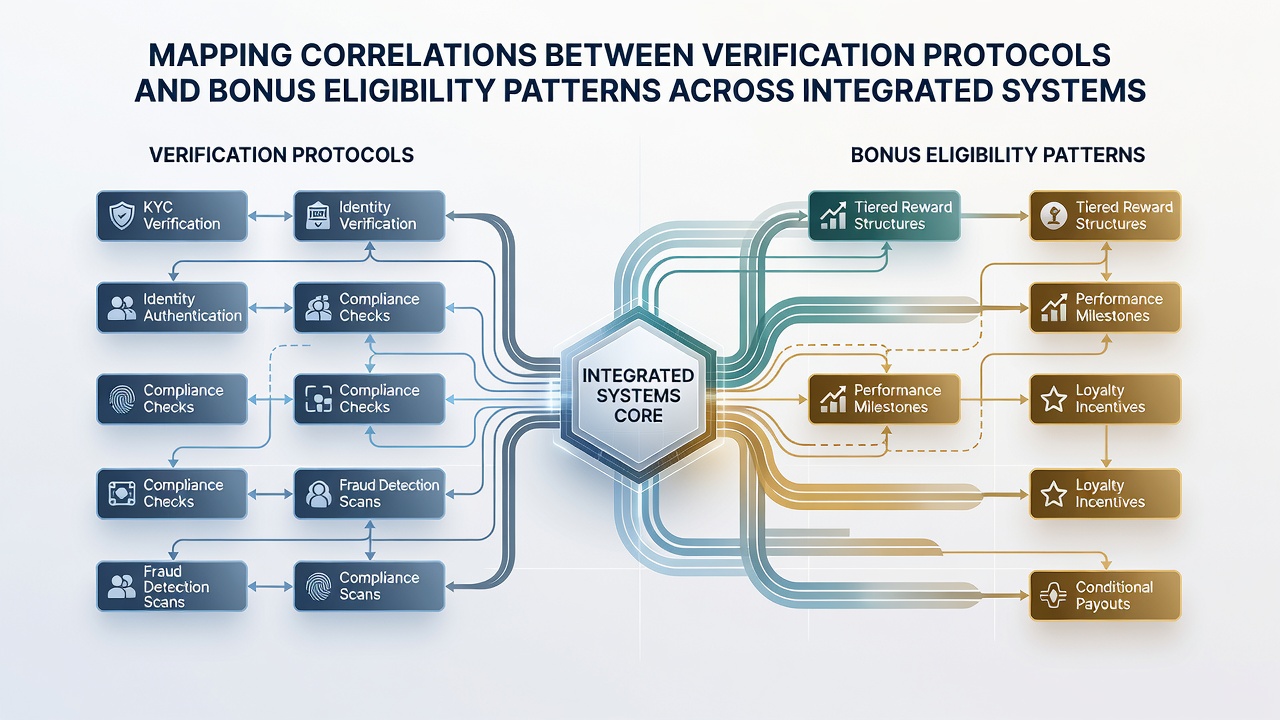
Analysis of transaction logs demonstrates that accounts reaching full verification status within 48 hours post-registration convert bonus offers at rates nearly double those of accounts still pending additional documents after seven days. Platforms employing machine learning models for risk scoring further refine these outcomes, assigning lower friction paths to low-risk profiles and thereby accelerating eligibility. External reports from the National Council on Problem Gambling and academic reviews published through Canadian research institutions highlight how verification speed influences not only bonus uptake but also subsequent deposit frequency.
Geographic differences appear when comparing North American and European platform clusters. Operators licensed under frameworks such as those overseen by the Malta Gaming Authority record more uniform eligibility timelines once verification clears, whereas certain state-regulated environments in the United States impose additional layers tied to location verification that extend processing windows. In July 2026 several operators updated their cross-border data-sharing agreements, producing measurable shifts in approval speeds for users operating across multiple licensed domains.
Impact of Platform Integration on These Patterns
Integrated architectures allow single sign-on and shared wallets, yet they also propagate verification status instantly across modules. This connectivity produces tighter correlations because a flag raised in one product area immediately restricts bonus access everywhere. Operators report that centralized dashboards help compliance teams identify patterns earlier, such as repeated document mismatches or sudden activity spikes following bonus claims. Those managing large-scale platforms note that integration reduces duplicate verification requests, which in turn lowers user drop-off before eligibility is confirmed.
Payment gateway connections add another variable. Systems that link verification directly to banking partners can pre-approve certain users for instant bonus credit, while others require separate checks. Recent platform updates have incorporated these linkages more deeply, resulting in eligibility decisions that occur simultaneously with deposit processing rather than after separate review steps.
Conclusion
Mapping exercises across integrated wagering platforms consistently show that verification depth, speed, and integration level shape bonus eligibility outcomes in measurable ways. Accounts completing comprehensive checks early gain access to broader promotional structures, while delays or partial verifications narrow those opportunities. Continued data collection from multiple regulatory environments will refine these correlations further as platforms evolve their unified systems through 2026 and beyond.