How Smartphone Interface Innovations Have Reshaped Bonus Claiming in Authorized Betting Markets
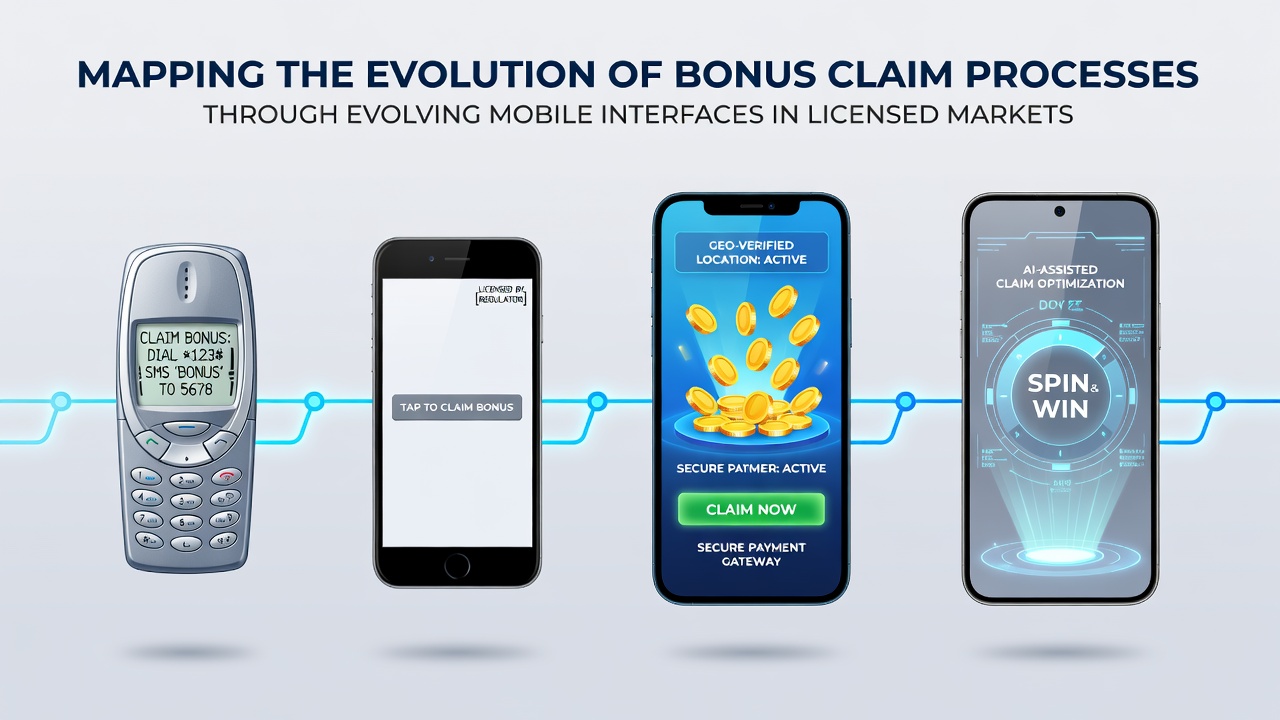
Smartphone interfaces have altered how users access promotional offers in licensed gambling markets, shifting from basic web forms to integrated app features that streamline verification and redemption steps. Data from industry reports indicate that these changes began accelerating around 2018 as operators adapted to regulatory requirements in multiple jurisdictions, and by June 2026 many platforms now incorporate biometric authentication alongside real-time balance updates to handle bonus claims.
Early Stages of Mobile Bonus Integration
Initial mobile adaptations relied on responsive websites that mirrored desktop layouts, requiring users to navigate multiple screens before completing a claim, whereas later native apps consolidated these actions into fewer taps. Operators in markets like those overseen by the New Jersey Division of Gaming Enforcement documented a 40 percent reduction in claim abandonment rates after introducing in-app wallets that automatically detect eligible promotions.
Those early interfaces often separated the bonus section from the main navigation, forcing manual code entry that frequently led to errors, but developers responded by embedding claim buttons directly within game lobbies and account dashboards. Research from academic studies on user behavior shows this placement improved completion times by linking eligibility checks to existing session data without additional logins.
Key Technological Shifts Through 2025
Progressive web apps gave way to fully native designs that support push notifications for time-sensitive offers, allowing operators to notify users of expiring bonuses while they remain within the app environment. Figures from the American Gaming Association reveal that licensed sportsbooks recorded higher engagement metrics once these alerts synchronized with location-based compliance checks required in various states.
Another development involved the incorporation of machine learning models that personalize bonus visibility based on previous activity patterns, reducing irrelevant offers that once cluttered interfaces and slowed down the claiming sequence. Observers note that such algorithms now adjust reward structures in real time, drawing from aggregated transaction histories while maintaining separation from core betting functions to comply with licensing terms.
Regulatory Influences on Interface Design
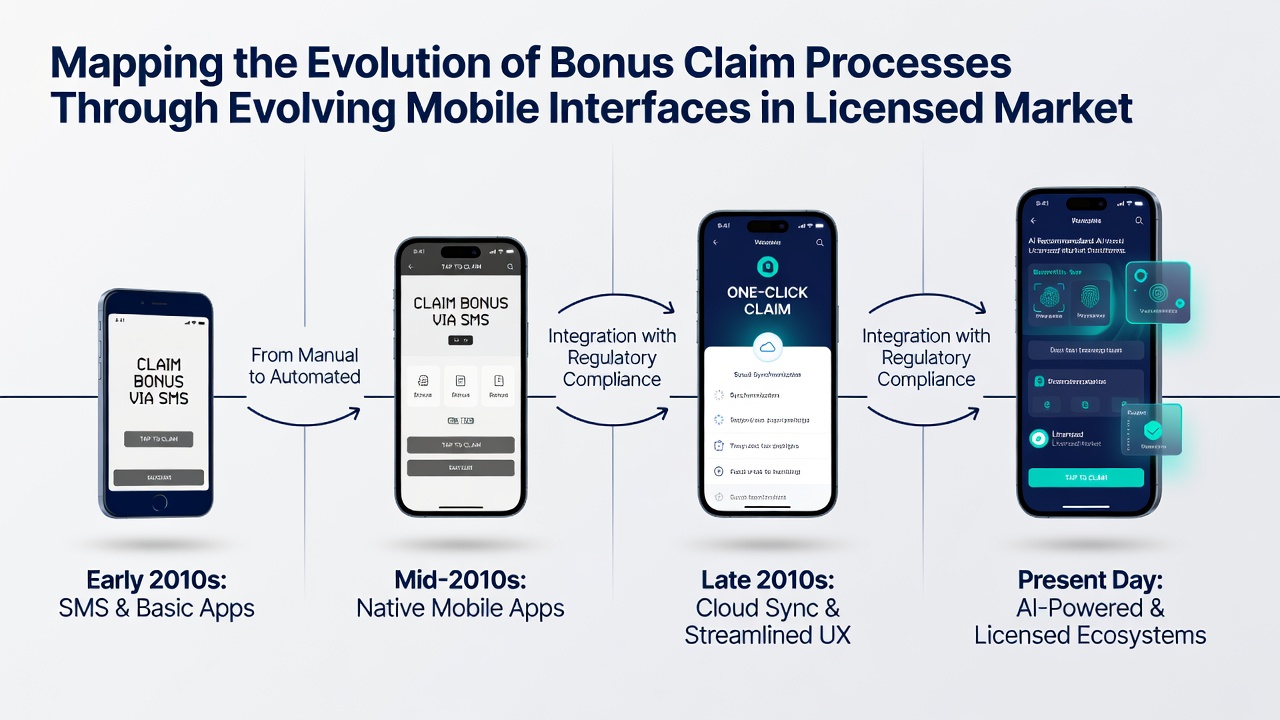
Licensing bodies across different regions have imposed standards that directly affect how bonus processes appear on mobile screens, with requirements for clear terms display and mandatory confirmation steps before any funds transfer occurs. In Australia the Australian Communications and Media Authority has tracked how these mandates prompted operators to add expandable sections within apps that detail wagering requirements without leaving the current view.
European frameworks, including those from the Malta Gaming Authority, emphasize audit trails that mobile systems now generate automatically during each claim, logging timestamps and device identifiers to support compliance reviews. These features emerged as responses to earlier inconsistencies where desktop and mobile experiences diverged, creating potential gaps in record keeping.
Current Patterns Observed in Mid-2026
By June 2026 many licensed platforms feature unified dashboards that merge bonus tracking with deposit and withdrawal histories, allowing seamless navigation between promotional balances and standard accounts. Industry data shows this consolidation correlates with increased retention figures, particularly among users who access multiple verticals such as sports and casino products within a single session.
Voice command integration has appeared in select applications, enabling hands-free initiation of bonus claims after initial setup, though adoption remains limited to markets where voice data processing aligns with privacy regulations. Those implementations rely on encrypted local processing to avoid transmitting sensitive details beyond the device.
Future Directions Indicated by Ongoing Developments
Emerging standards point toward greater use of augmented overlays that highlight eligible bonuses during live events without interrupting gameplay flows. Reports from research institutions suggest these visual cues could further decrease the steps needed for redemption while preserving the transparency demanded by licensing agreements.
Cross-platform synchronization continues to advance, permitting users to begin a claim on one device and finalize it on another through secure cloud-linked profiles that respect jurisdictional boundaries. This capability builds on earlier mobile evolutions and addresses the fragmented access patterns that characterized pre-2020 interfaces.
Conclusion
The progression of mobile interfaces has produced measurable efficiencies in bonus claim processes across licensed markets, driven by iterative design changes that respond to both technological capabilities and regulatory frameworks. Continued monitoring of these systems will likely reveal additional refinements as operators balance user convenience with compliance obligations in expanding digital environments.