5 Aug 2026
How Compliance Rules Determine Notification Patterns for Bonus Claims in Mobile Wagering Apps
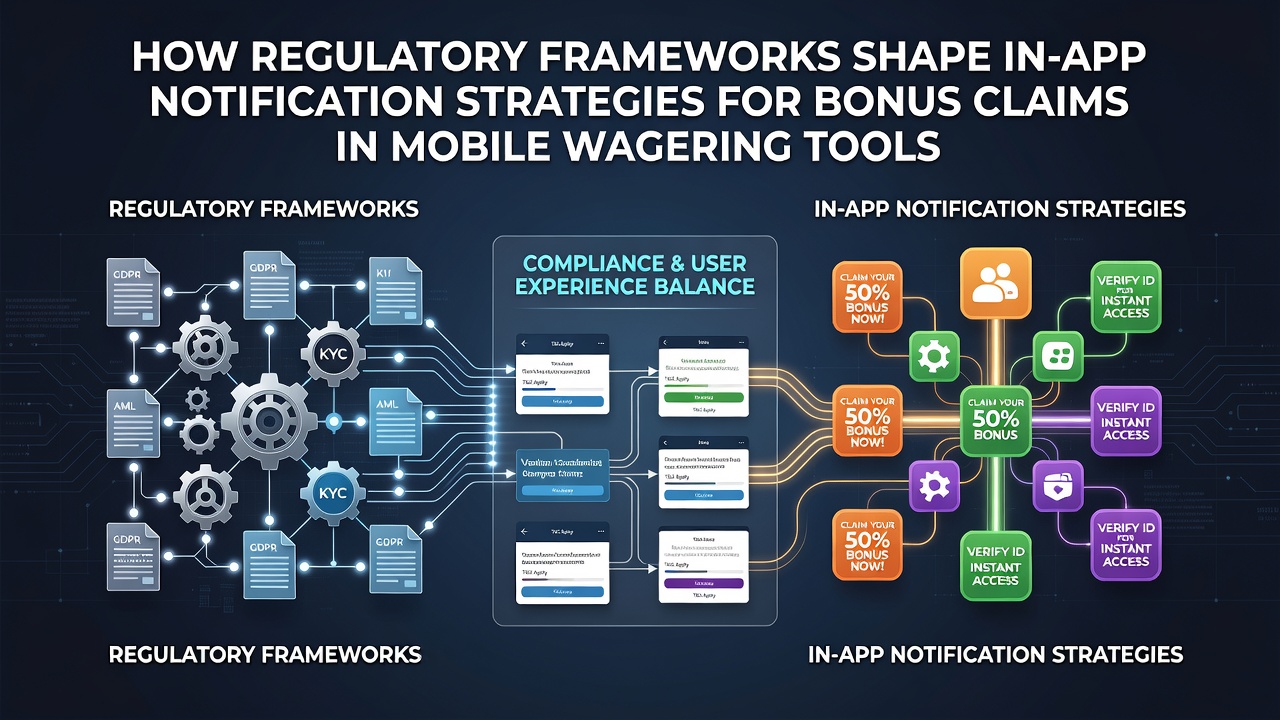
Regulatory frameworks around the world impose strict parameters on how mobile wagering platforms deliver in-app notifications about bonus claims, and operators must align their strategies with these rules to avoid penalties while maintaining user engagement. Data from industry reports shows that in August 2026 several jurisdictions updated their digital advertising guidelines, which directly affected timing, frequency, and content of push alerts related to promotional offers.
Core Regulatory Requirements Across Jurisdictions
Authorities in the United States, such as the New Jersey Division of Gaming Enforcement, require that notifications about bonuses include clear eligibility criteria and expiration details, which forces developers to embed specific text fields within every alert template. Meanwhile the Australian Communications and Media Authority enforces similar transparency standards that prohibit misleading language in messages promoting deposit matches or free bet credits, and operators respond by building modular notification systems that pull verified data from compliance databases before sending.
European data protection regulations add another layer because they limit how user consent is obtained and stored for marketing communications, so platforms segment their audiences based on opt-in records and suppress notifications for users who have not explicitly agreed to receive bonus-related updates. Observers note that these consent mechanisms often integrate with broader responsible gambling tools, meaning a single regulatory change can trigger simultaneous adjustments to both notification logic and self-exclusion lists.
Technical Adaptations in Notification Systems
Development teams create dynamic rules engines that check regulatory status before generating any bonus claim alert, and these engines reference jurisdiction-specific databases updated monthly to reflect new statutes or enforcement actions. When a user opens the app in a regulated market, the system evaluates location, account age, and prior interactions to decide whether a notification about an unclaimed bonus should appear at all.
Frequency caps represent another common adaptation because multiple regulators set maximum daily or weekly contact limits to prevent excessive messaging, and companies program their back-end services to track message counts per user across all channels including in-app banners and push notifications. This tracking prevents violations while still allowing timely reminders for time-sensitive offers that expire within 48 hours.
Content Restrictions and Message Design
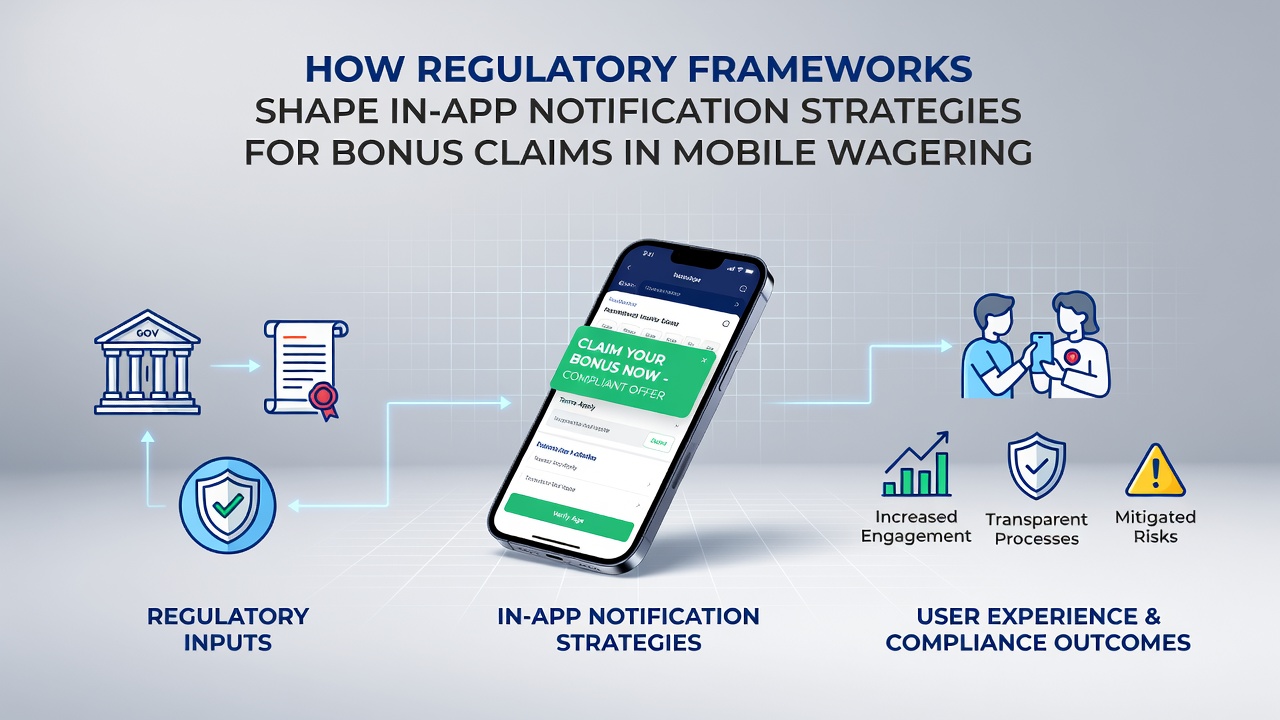
Rules on promotional language require that every notification state the bonus amount, wagering requirements, and any restrictions on withdrawal, and developers therefore store standardized phrasing in content libraries that get assembled automatically based on the offer type. Researchers have documented cases where platforms introduced conditional formatting that highlights required disclosures in bold or different colors to meet visibility standards set by oversight bodies.
Some frameworks also mandate age verification reminders within bonus notifications, which leads to additional text blocks that appear only for accounts flagged as recently registered. These additions increase message length yet remain necessary to satisfy regulators who monitor whether platforms adequately inform younger users about responsible play limits tied to promotional activity.
Impact on User Experience and Retention Metrics
Studies conducted by academic institutions tracking mobile gambling behavior indicate that stricter notification rules correlate with lower open rates for bonus alerts, yet overall claim completion percentages sometimes rise because the messages that do reach users contain more accurate and actionable information. Operators adjust by testing alternative delivery methods such as in-app center badges that do not count toward regulated push limits.
Geolocation services play a growing role because they allow platforms to suppress or modify notifications when users cross into unregulated territories, and this capability reduces compliance risk while preserving a consistent experience for travelers. Data shows that in August 2026 several major sportsbooks reported measurable drops in support tickets related to misunderstood bonus terms after implementing these location-aware notification filters.
Future Developments and Ongoing Adjustments
Industry associations continue to publish guidance documents that interpret emerging regulations, and operators integrate these interpretations into their notification rule sets through regular software updates. Collaboration between legal teams and product managers ensures that new bonus types receive appropriate messaging templates before launch, which shortens the time between regulatory approval and customer communication.
Conclusion
Regulatory frameworks continue to shape every stage of notification strategy for bonus claims in mobile wagering tools, from initial consent collection through final message delivery and performance tracking. Companies that maintain flexible systems capable of incorporating jurisdiction-specific rules report fewer compliance incidents while still supporting user engagement with promotional offers. As oversight bodies introduce further refinements in 2026 and beyond, the technical and procedural adaptations described here will remain central to compliant operations across global markets.