26 Aug 2026
Encryption Protocols Governing Bonus Access in Global Mobile Wagering Platforms
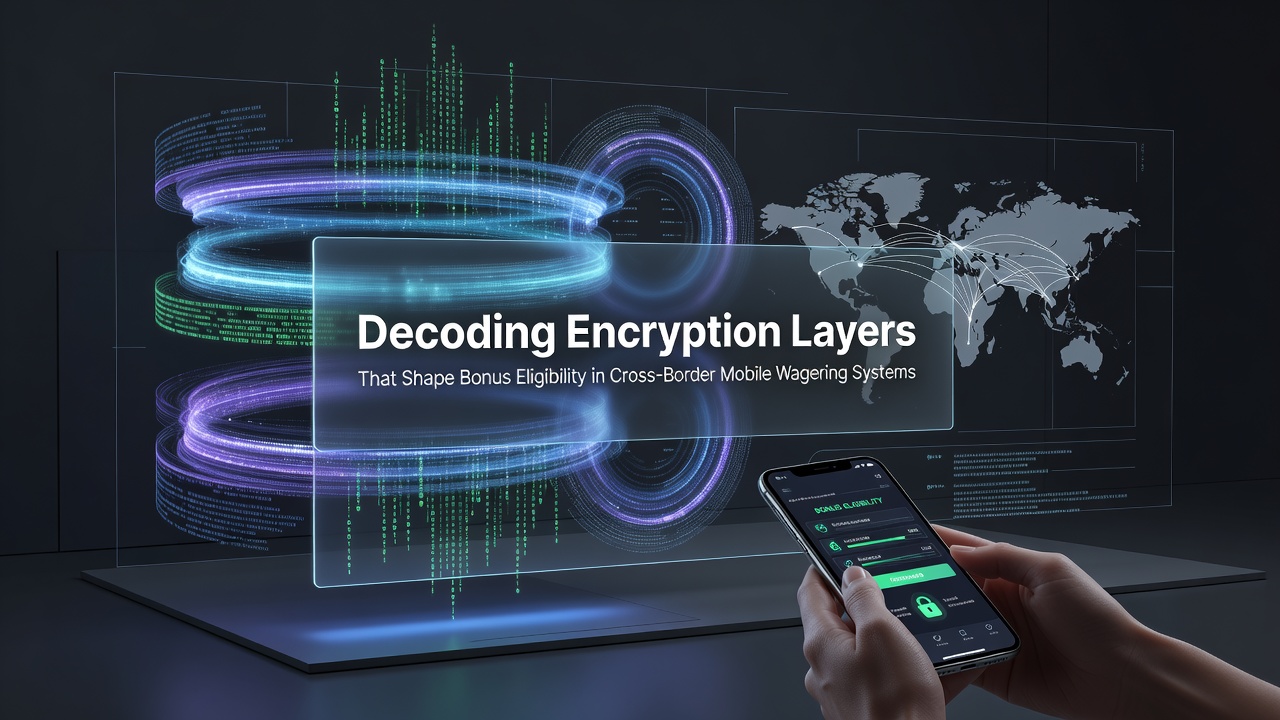
Cross-border mobile wagering platforms rely on multiple encryption layers to verify user eligibility for promotional bonuses, and these systems combine transport layer security with application-level cryptography while incorporating device-specific identifiers that confirm geographic location and regulatory compliance before any bonus activates. Operators deploy protocols such as TLS 1.3 alongside AES-256 encryption for data in transit and at rest, yet the process extends further when platforms integrate homomorphic encryption techniques that allow calculations on encrypted location data without exposing raw coordinates to central servers.
Layered Security Mechanisms in Mobile Applications
Developers structure these layers so that the first stage authenticates the device through certificate pinning and hardware-backed keys stored in secure elements, while subsequent stages perform real-time checks against jurisdictional databases that determine whether a player qualifies for region-specific promotions. Research from the European Gaming and Betting Association indicates that such multi-stage verification reduces unauthorized bonus claims by routing all eligibility queries through encrypted channels that mask personal identifiers until final approval occurs. Observers note that this approach maintains user privacy during cross-border transactions because intermediate nodes process only tokenized data rather than full profiles.
Additional layers often include zero-knowledge proofs that let platforms confirm age or residency requirements without transmitting actual documents, and these proofs integrate with blockchain-based audit trails that record bonus activations in immutable logs accessible to regulators. Data from industry reports compiled in August 2026 shows increased adoption of post-quantum cryptographic algorithms in major platforms operating across the European Union and Australia, where regulators require forward secrecy to protect historical transaction records from future decryption risks.
Cross-Border Compliance and Bonus Qualification
Jurisdictional differences create complex requirements because one country may permit sign-up bonuses while a neighboring region restricts them to verified residents only, so encryption layers serve as the enforcement mechanism that evaluates these rules automatically upon app launch. When a user attempts to claim a bonus, the system initiates a chained verification sequence that begins with SIM-based geolocation encrypted via elliptic curve cryptography, then proceeds to cross-reference that data against licensed operator lists maintained by authorities such as the Malta Gaming Authority and the Australian Communications and Media Authority.
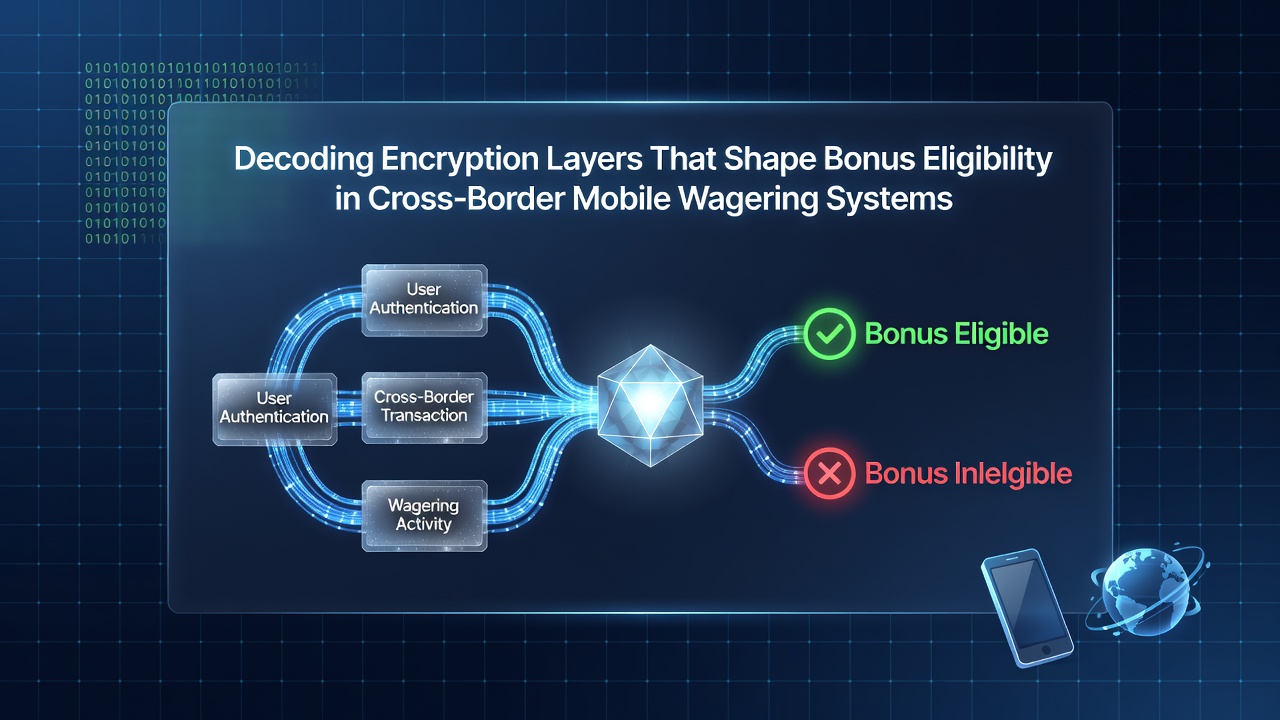
Platforms further refine eligibility through behavioral analysis encrypted at the point of collection, which prevents bonus farming across multiple accounts while preserving the confidentiality of betting patterns. Studies conducted by university research teams in Canada have examined how these encrypted flows interact with payment gateways, revealing that delays in decryption at any layer can temporarily suspend bonus availability until all compliance signals align. The result appears in seamless user experiences for eligible players and immediate restrictions for those outside permitted zones.
Technical Implementation Across Regions
Operators in North America and Asia have adapted similar frameworks since early 2025, incorporating dynamic key rotation that refreshes encryption credentials every few minutes during active sessions to limit exposure windows. This rotation works in tandem with secure multi-party computation methods that split bonus decision logic among several independent nodes, ensuring no single party holds complete information about why a particular promotion was granted or denied. Figures from regulatory filings demonstrate that such distributed approaches have lowered dispute rates related to bonus eligibility in cross-border scenarios.
Integration with mobile operating system features adds another dimension, as platforms leverage hardware security modules on both iOS and Android devices to store temporary tokens that expire after each eligibility check completes. Those who manage these systems report that combining these elements creates a resilient barrier against tampering attempts while allowing rapid updates when new regulations emerge in participating jurisdictions.
Conclusion
Encryption layers continue to evolve as the primary gatekeepers for bonus eligibility in cross-border mobile wagering, and their layered architecture supports both security and regulatory adherence across diverse markets. Continued refinement of these protocols, driven by updates from bodies in multiple regions, shapes how platforms deliver promotions while meeting compliance standards that vary by location and user profile.