Biometric Verification Reshaping Secure Access in Online Gambling Platforms

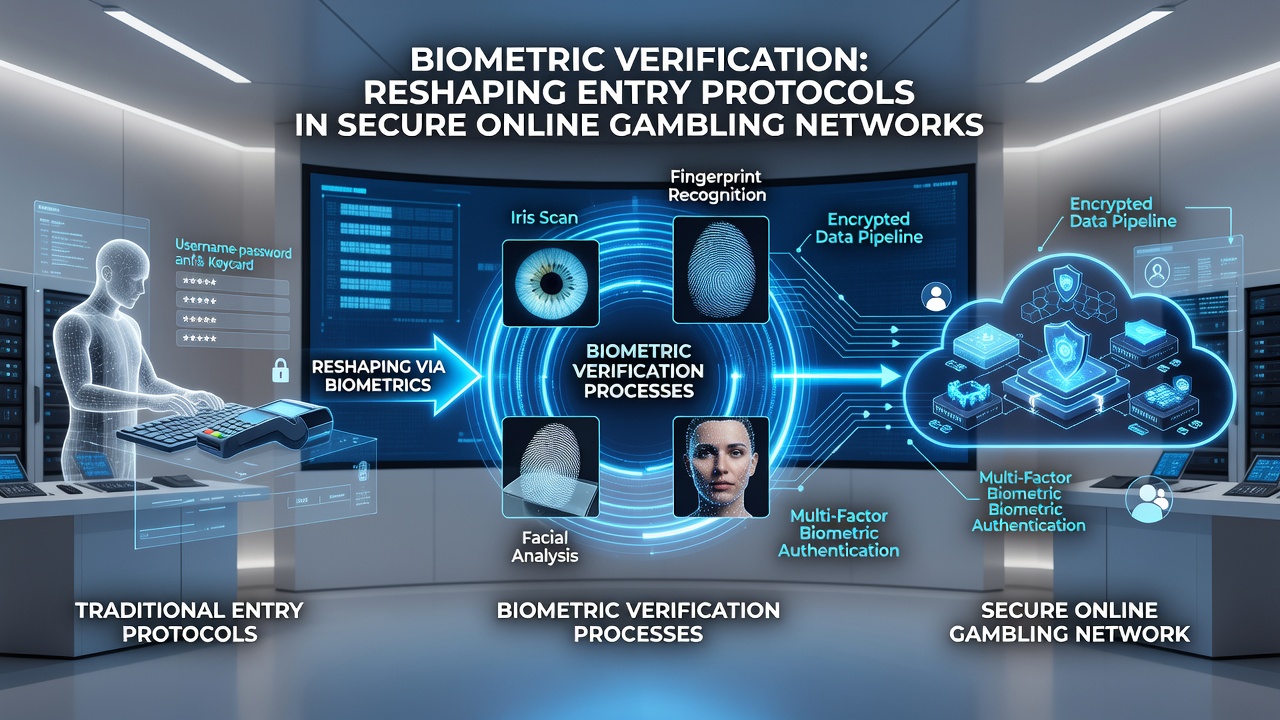
Biometric verification has moved from experimental pilots to standard operating procedure across many licensed gambling networks, where operators integrate fingerprint, facial, and voice recognition to control who gains entry and when. Platforms now require these checks at registration, during high-value transactions, and at random intervals to maintain session integrity, while regulators track adoption metrics that show measurable drops in account sharing incidents.
Operators deploy multi-factor systems that combine something the user knows with something the user is, and the result is a layered entry protocol that reduces reliance on passwords alone. In June 2026 several North American and European networks updated their compliance dashboards to reflect full biometric rollout, citing improved detection of synthetic identity attempts that traditional document uploads often miss.
Core Technologies Driving Entry Changes
Facial recognition engines now analyze liveness through micro-movements and depth mapping, while fingerprint sensors on mobile devices feed directly into encrypted matching servers operated by third-party specialists. Voice biometrics capture cadence and spectral patterns during customer support calls, creating an additional passive layer that flags anomalies without interrupting play. Researchers at institutions studying digital identity have documented how these combined signals cut unauthorized access attempts by measurable percentages in controlled trials.
Entry protocols have shifted from one-time KYC uploads to continuous verification loops, where algorithms score risk in real time and trigger escalated checks only when thresholds are crossed. This approach keeps friction low for verified users yet blocks rapid account switching that previously allowed minors or self-excluded individuals to re-enter through shared credentials.
Regulatory and Operational Impacts
Licensing bodies in multiple jurisdictions now mandate biometric enrollment for new accounts, and data from the Alcohol and Gaming Commission of Ontario shows a steady rise in compliant operator submissions since early 2025. These requirements align with broader efforts to tighten age verification and responsible gambling controls, because biometric templates remain unique even when personal details are altered across different platforms.
Payment gateway integrations have also adapted, with some networks requiring a fresh biometric confirmation before processing withdrawals above certain thresholds. The change addresses concerns about mule accounts while preserving the speed that users expect from modern systems. Observers note that operators who adopted these protocols earlier report fewer chargeback disputes tied to identity theft.
Implementation Patterns Across Networks
Large-scale platforms tend to partner with established biometric providers that maintain ISO-certified data centers, whereas smaller operators often license white-label solutions that handle template storage off-site. Both models must satisfy data-protection rules that treat biometric information as sensitive personal data, requiring explicit consent and clear deletion policies once accounts close. A 2025 industry report from the European Gaming and Betting Association highlighted how regional variations in template retention periods affect cross-border player portability.
Take one network that introduced facial liveness checks in late 2025; within months the system flagged thousands of attempts where photos or deepfakes replaced live faces, prompting further refinements to lighting and angle requirements. Such iterative improvements demonstrate how live deployment data feeds back into algorithm training without exposing raw biometric files to gambling operators themselves.
Security Metrics and User Adaptation
Studies tracking login success rates indicate that most users complete biometric enrollment in under two minutes once guided prompts appear on screen, and repeat verification times drop further on subsequent sessions. False rejection rates have fallen as camera quality on consumer devices improved, although networks still maintain fallback paths such as video calls with trained agents for edge cases. Data from regulatory filings shows these hybrid models maintain overall entry success above 98 percent while tightening controls on high-risk segments.
Networks that publish transparency reports reveal the proportion of accounts blocked at entry due to biometric mismatches, offering regulators and researchers concrete figures to evaluate effectiveness. These reports also track regional differences, because device penetration and user familiarity vary across markets.
Conclusion
Biometric verification continues to redefine how secure online gambling networks manage entry, moving from static document checks to dynamic, multi-modal confirmation that operates throughout the user lifecycle. As adoption widens in 2026, the focus remains on balancing robust security with minimal disruption, supported by regulatory frameworks and technical standards that evolve alongside the technology itself.